Dr. Zubin Shah : ANS – Advanced Neurology & Epilepsy Solutions
- Shrikunj Icon, 201-202, Opp. Sunflower Hospital, Naranpura - 380009, Ahmedabad
- +91 - 96645 83832

Welcome to ANS
Epilepsy Treatment in Ahmedabad
Expert Epilepsy & Neurology Care by Dr. Zubin Shah
If you’re looking for an epilepsy specialist, epileptologist, seizure specialist, or epilepsy doctor in Ahmedabad, this guide explains when expert evaluation may be recommended and how tests such as EEG, Video EEG, and personalized treatment planning can help manage seizures and epilepsy.
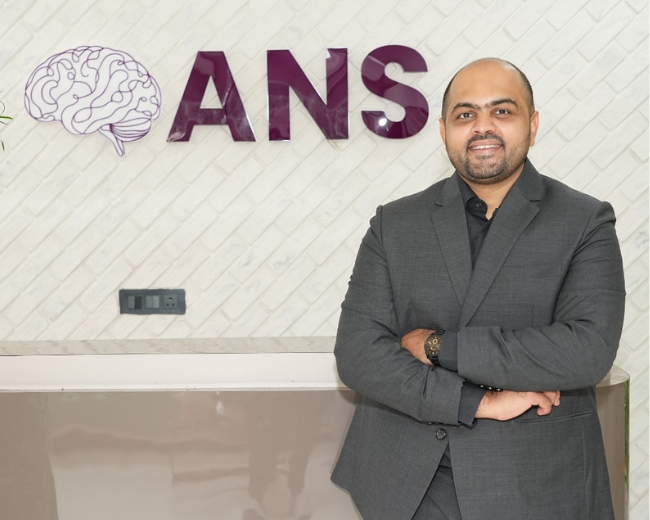
Dr. Zubin Shah: Specialized Epilepsy Treatment in Ahmedabad
Neurologist & Epilepsy Specialist
Dr. Zubin Shah is an experienced neurologist specializing in the diagnosis and management of epilepsy, seizure disorders, and other neurological conditions. With over five years of clinical experience, he holds an MBBS, MD, and DM in Neurology, along with a postgraduate fellowship in Epilepsy. His expertise includes seizure evaluation, EEG interpretation, and neurodiagnostic assessment, helping patients receive personalized care based on their individual condition and needs.
Current Affiliation
- Epilepsy Department Head at SGVP Hospital, Ahmedabad
- Assistant Professor at SVP Hospital (V.S. Hospital), Ahmedabad
- Visiting consultant at PSM Hospital, Kalol
Patients seeking epilepsy treatment in Ahmedabad can receive specialized evaluation and personalized management for epilepsy and seizure disorders. Dr. Zubin Shah focuses on understanding each patient's condition, identifying appropriate treatment options, and providing ongoing neurological care.
Hope Beyond Medication : Providing Expert Epilepsy Care at ANS
Your Path Toward Better Seizure Control: Expert Epilepsy Surgery & Care in Ahmedabad
Dr. Zubin Shah provides comprehensive epilepsy care focused on accurate evaluation, personalized treatment planning, seizure management, and appropriate guidance for patients who may require advanced epilepsy care. Each patient's condition is assessed individually to help determine the most suitable approach for ongoing neurological care.
Quick Links

Years of Experience
0
+
Patient Treated
0
+
Video EEG Performed
0
+
Advanced Neuro Care
Routine EEG
A quick, non-invasive test to study brain activity. Helps diagnose epilepsy, seizures, and other neurological issues.
Video EEG
Continuous brain wave monitoring with video to detect and classify seizures accurately.
Medical Management
of Epilepsy
of Epilepsy
Personalized medication to control seizures and improve quality of life.
Epilepsy Surgery
Advanced surgical interventions for drug-resistant epilepsy. Enhances seizure control when medication isn’t enough.
NCS/NCV
A Nerve Conduction Study (NCS/NCV) measures the speed and strength of electrical impulses traveling along nerves.
Electromyography (EMG)
EMG test is a diagnostic procedure that evaluates the electrical activity of muscles and the nerves that control them.
VEP (Visual Evoked Potential)
Evaluates how the brain responds to visual stimuli. Helps detect optic nerve issues and visual pathway disorders.
Epilepsy Surgery Success Stories
Patient Success Story
Patient Success Story
Patient Success Story
Arati B.
Dr. Zubin Shah is a highly skilled and compassionate neurologist specializing in epilepsy. His expertise and patient-centered approach make a real difference.
Divyang Parihar
Dr shah is the best epilepsy specialist. The clinic is well maintained and very kind staff. Dr Zubin has very great communication skills. Must visit if you are suffering from any epilepsy problem.
Darshan Devani
Dr zubin shah is the best neurologist in ahmedabad. He has specialty in epilepsy. I am consulting him since months and now i have recovered.
Vandit Pandya
Dr Zubin is well known for epilepsy and is very good neurologist. I have taken consultations from him and i am seeing better results. Thank you doctor. I totally recommend you to others.
Chauhan Alpesh
Very goodd doctor if you are looking for epilepsy treatment. Dr zubin is very calm and communicative. He helped me heal very quickly. Thank you doctor.
Asha Chauhan
We are taking treatment from dr Zubin shah for epilepsy and the results are very good. Thank you doctor. He is very good epilepsy specialist and also very good neurologist.
Informative Videos on Epilepsy
What is Epilepsy?
Types of Epilepsy
Drug Resistance Epilepsy
Epilepsy Causes in Children
Seizure First Aid
Why Choose Dr. Zubin Shah for Epilepsy Treatment in Ahmedabad?
Neurologist & Epilepsy Specialist
Choosing the right specialist for epilepsy care is an important step toward accurate diagnosis and appropriate seizure management. At Dr. Zubin Shah – ANS Advance Neurology & Epilepsy Solutions, epilepsy care focuses on understanding the patient's seizure history, identifying the type and pattern of seizures, and developing an individualized treatment approach based on clinical findings and diagnostic results.
Key aspects of epilepsy care at ANS include:
- Specialized epilepsy-focused neurological care
- Individualized diagnosis and treatment planning
- EEG and Video EEG evaluation when clinically indicated
- Assessment of recurrent, unexplained, or difficult-to-control seizures
- Anti-seizure medication management and follow-up
- Evaluation of drug-resistant epilepsy
- Assessment for advanced epilepsy treatment when required
- Patient and family guidance regarding epilepsy and seizure management
- Long-term monitoring and treatment follow-up
- Patient-focused care with emphasis on safety and quality of life
Epilepsy management is not limited to controlling individual seizure episodes. A comprehensive approach considers the accuracy of the diagnosis, treatment response, medication-related concerns, seizure safety, and the patient's overall quality of life.
Under the care of Dr. Zubin Shah, patients receive a structured approach to epilepsy evaluation and management, with further diagnostic or specialist assessment considered when seizures remain difficult to control.
What Is Epilepsy?
Epilepsy is a neurological disorder characterized by a tendency to experience recurrent unprovoked seizures. A seizure occurs when there is abnormal electrical activity in the brain, which can temporarily affect awareness, movement, sensation, behavior, or other brain functions.
Not every seizure means that a person has epilepsy. A proper medical evaluation is needed to understand what caused the event and whether it represents an epileptic seizure.
The type and pattern of seizures can differ between individuals. Some people may experience brief staring episodes or changes in awareness, while others may have jerking movements, unusual sensations, behavioral changes, or loss of consciousness.
Early evaluation can help identify the type of seizure and guide an appropriate treatment plan.
Types of Epilepsy
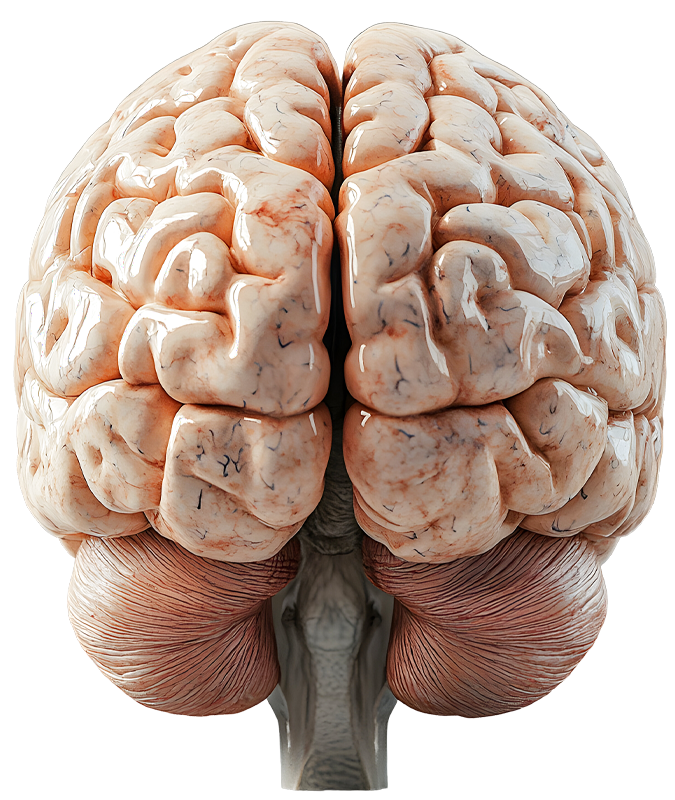
Epilepsy can involve different types of seizures depending on where abnormal electrical activity begins in the brain.
Focal Seizures
Focal seizures begin in a specific area of the brain. Depending on the area involved, they may cause changes in awareness, unusual sensations, repetitive movements, emotional changes, or involuntary movements. Some people experience an aura before a focal seizure. An aura may involve a strange smell or taste, a feeling in the stomach, déjà vu, fear, dizziness, visual changes, or other unusual sensations.
Generalized Seizures
Generalized seizures involve both sides of the brain from the beginning of the seizure. They can produce changes in consciousness, muscle movements, or other symptoms depending on the seizure type. Accurately identifying the seizure type is important because treatment decisions are influenced by the type and characteristics of the seizures.
Symptoms of Epilepsy
Epilepsy symptoms can vary depending on the type of seizure and the part of the brain involved.
Possible seizure-related symptoms include:
- Brief staring or behavioral arrest
- Temporary loss or alteration of awareness
- Jerking or twitching movements of the arms or legs
- Unusual sensations
- Sudden stiffening or posturing of the limbs
- Sudden emotional changes
- Repetitive or unusual movements
- Changes in taste or smell
- Déjà vu or unusual feelings
- Dizziness or changes in balance
Some people experience warning symptoms, known as an aura, before a seizure. Because many conditions can cause episodes that resemble seizures, symptoms alone are not always enough to establish a diagnosis. Specialist evaluation can help determine whether an episode is epileptic and what further testing may be appropriate.

Epilepsy Diagnosis
An accurate diagnosis is an important first step in epilepsy treatment. The evaluation may include a detailed history of the episodes, neurological examination, review of previous medical records, and appropriate investigations.
EEG: An electroencephalogram (EEG) records electrical activity in the brain and can help support the evaluation of epilepsy and seizure disorders.
Video EEG: Video EEG combines continuous EEG recording with video monitoring. It can help doctors compare brain-wave activity with what is happening clinically during an episode and may be useful when the diagnosis is uncertain or seizures are difficult to classify. ANS provides routine EEG and video EEG services as part of its neurological and epilepsy care.
Brain Imaging and Other Evaluation: Depending on the clinical situation, brain imaging and other investigations may be recommended to understand the possible cause of seizures and assist with treatment planning. Previous EEG, MRI, hospital records, prescriptions, and videos of episodes can be useful during a specialist consultation.
Epilepsy Treatment in Ahmedabad
Epilepsy treatment is individualized according to the seizure type, diagnosis, underlying cause, medical history, response to previous treatment, and other patient-specific factors.At ANS – Advanced Neurology & Epilepsy Solutions, epilepsy care includes medical management as well as evaluation for advanced treatment when seizures remain difficult to control.
Anti-Seizure Medication
Anti-seizure medications are commonly used to control epileptic seizures once epilepsy has been appropriately diagnosed. The choice of medication depends on factors such as seizure type, age, medical history, other medicines, potential side effects, and individual circumstances. Medication should be taken and changed only according to the treating doctor's advice. Regular follow-up may be required to assess seizure control, treatment response, and medication-related concerns.
Epilepsy Surgery Evaluation
Epilepsy surgery is not required for everyone with epilepsy. It may be considered for selected patients whose seizures remain uncontrolled despite appropriate medication and who meet the criteria for further surgical evaluation. A pre-surgical evaluation helps determine where seizures originate and whether surgery or another advanced treatment approach may be appropriate. ANS lists epilepsy surgery among its specialized services for drug-resistant epilepsy.
Treatment for Drug-Resistant Epilepsy
Some people continue to experience seizures despite appropriate treatment with anti-seizure medications. This may indicate drug-resistant epilepsy and requires specialist evaluation. Dr. Zubin Shah's ANS profile identifies expertise in the medical management of epilepsy and epilepsy surgery for drug-resistant epilepsy. When epilepsy is difficult to control, further evaluation may include detailed seizure assessment, prolonged Video EEG, brain imaging, and other investigations depending on the individual case.
Medication Management
Some patients require adjustment of their treatment plan because seizures continue, side effects occur, or the initial diagnosis or seizure classification needs further review. A specialist assessment can help determine whether the current treatment remains appropriate or whether further evaluation is needed.
Epilepsy Treatment Procedure at ANS in Ahmedabad
1. Initial Consultation :The first step is understanding the patient’s seizure history, symptoms, previous diagnoses, medications, medical history, and previous investigation reports.
2. Seizure Evaluation : The doctor evaluates the characteristics of the episodes and considers whether they are consistent with epileptic seizures or whether another condition may need to be investigated.
3. Diagnostic Testing : When clinically appropriate, investigations such as EEG or Video EEG may be recommended to support diagnosis and seizure classification.
4. Treatment Planning : Once the diagnosis and seizure type are established, a personalized treatment plan can be developed. This may include anti-seizure medication and ongoing monitoring.
5. Evaluation of Difficult-to-Control Seizures : If seizures continue despite appropriate treatment, further assessment for drug-resistant epilepsy may be considered.
6. Advanced Treatment Evaluation : For selected patients with drug-resistant epilepsy, further evaluation may be undertaken to determine whether epilepsy surgery or another advanced treatment approach is appropriate.
7. Ongoing Follow-Up : Epilepsy management does not end with the initial prescription or diagnosis. Regular follow-up can help monitor seizure control, medication response, side effects, and changes in the patient’s condition.
What Epilepsy Care Do We Offer?
ANS – Advanced Neurology & Epilepsy Solutions provides focused neurological and epilepsy care under the guidance of Dr. Zubin Shah.
The epilepsy-focused approach includes:
- Evaluation of seizure disorders
- Medical management of epilepsy
- EEG interpretation
- Routine EEG
- Video EEG
- Evaluation of drug-resistant epilepsy
- Ongoing treatment and follow-up
- Epilepsy surgery evaluation
What Epilepsy Services Do We Provide?
Routine EEG: Routine EEG is a non-invasive investigation that records electrical activity in the brain and can assist in the evaluation of seizures and epilepsy.
Video EEG: Video EEG combines brain-wave monitoring with video recording to help correlate clinical events with EEG activity.
Medical Management of Epilepsy: Treatment plans are personalized according to the patient’s diagnosis, seizure type, treatment history, and individual circumstances.
Epilepsy Surgery: For selected patients with drug-resistant epilepsy, surgical evaluation may be considered when medication does not provide adequate seizure control.
Why Choose ANS for Epilepsy Treatment in Ahmedabad?
Choosing epilepsy care involves more than selecting a treatment. Accurate diagnosis, appropriate seizure classification, treatment planning, and long-term follow-up are all important parts of epilepsy management.
At ANS, epilepsy care is led by Dr. Zubin Shah, a neurologist and epilepsy specialist with MBBS, MD in Medicine, DM in Neurology, and a Postdoctoral Fellowship in Epilepsy. His professional profile also describes expertise in medical management of epilepsy and epilepsy surgery for drug-resistant epilepsy.
ANS also provides epilepsy-focused diagnostic and treatment services, including routine EEG, Video EEG, medical management, and epilepsy surgery.
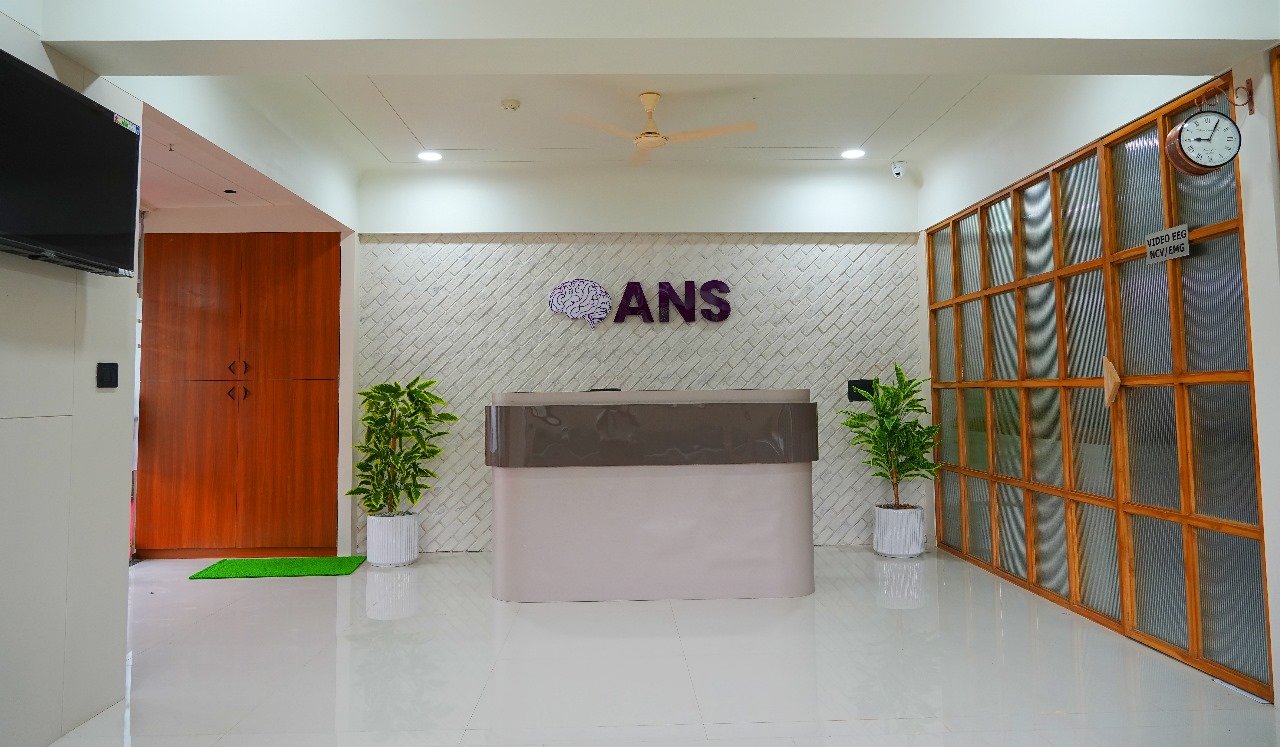
The clinic is located at Shrikunj Icon, 201-202, Lakudi Cross Rd, opp. Sunflower Hospital, near Sardar Bawala, Vithalbhai Patel Colony, Nathalal Colony, Naranpura, Ahmedabad, Gujarat 380009
When Should You See an Epilepsy Specialist?
You may benefit from specialist epilepsy evaluation if:
- You have experienced a first seizure
- Seizures are recurring
- The diagnosis is uncertain
- Episodes continue despite treatment
- You are experiencing significant medication side effects
- You need a second opinion about an epilepsy diagnosis
- Drug-resistant epilepsy is being considered
- Epilepsy surgery evaluation has been recommended
Urgent medical attention is important when a seizure lasts more than five minutes, another seizure occurs immediately afterward, breathing or consciousness does not return, an injury occurs, or other concerning circumstances are present.
Who Should See an Epilepsy Doctor?
An epilepsy doctor or epileptologist is a neurologist with focused expertise in epilepsy and seizure disorders.
Specialist consultation may be particularly useful when the diagnosis is unclear, seizures remain uncontrolled, EEG findings require clinical correlation, medication decisions are complex, or advanced epilepsy evaluation is being considered.
Patients who have already undergone treatment but continue to experience seizures may also benefit from a specialist review to reassess the diagnosis and treatment pathway.
Mirgi, मिर्गी and Epilepsy Specialist Review
Families may use different terms when searching for epilepsy care, including mirgi, मिर्गी, seizure problem, seizure doctor, epilepsy doctor, or epilepsy specialist.
These terms can describe a concern about seizures, but the underlying cause of an episode may vary. A proper medical assessment is therefore important before assuming that every seizure-like episode is epilepsy.
If you or a family member is experiencing recurrent episodes, unexplained blackouts, staring spells, jerking movements, or other seizure-like symptoms, an epilepsy-focused neurological evaluation can help determine the appropriate next step.
Frequently Asked Questions About Epilepsy Treatment in Ahmedabad
The first step is an appropriate evaluation to determine whether the episodes are epileptic seizures, understand the seizure type, and identify relevant medical factors. Treatment can then be planned according to the diagnosis.
Diagnosis generally begins with a detailed history and neurological assessment. EEG, Video EEG, brain imaging, and other investigations may be recommended depending on the patient's clinical situation.
Drug-resistant epilepsy refers to epilepsy in which seizures continue despite adequate trials of two appropriately chosen and tolerated anti-seizure medications.
Surgery may be considered for selected patients with drug-resistant epilepsy after detailed pre-surgical evaluation. The purpose of evaluation is to determine whether surgery is appropriate and identify the safest and most suitable treatment approach.
Yes. Treatment depends on factors including seizure type, underlying cause, medical history, previous treatment, response to medication, and individual circumstances.
Epilepsy consultations are available at ANS – Advanced Neurology & Epilepsy Solutions, where Dr. Zubin Shah provides specialized epilepsy and neurological care. The clinic is located in Naranpura, Ahmedabad.
Not necessarily. A single seizure does not automatically mean that a person has epilepsy. Proper medical assessment is needed to determine the cause and likelihood of recurrent seizures.
Anti-seizure medication is a standard treatment approach after epilepsy has been appropriately diagnosed. The choice of treatment depends on the seizure type and individual patient factors.
Continued seizures despite appropriate treatment may require further specialist evaluation. Drug-resistant epilepsy can require a more detailed diagnostic and treatment assessment, including consideration of advanced treatment options in selected patients.
Video EEG can help correlate a patient's clinical events with electrical activity in the brain. It may be useful when the diagnosis or seizure classification remains uncertain.
No. Epilepsy surgery is considered only for selected patients, particularly those whose seizures remain uncontrolled despite appropriate medical treatment and who are suitable candidates after detailed evaluation.
Book an Appointment for Epilepsy Treatment in Ahmedabad
If you or a family member is experiencing recurrent seizures, unexplained episodes, or seizures that remain uncontrolled despite treatment, specialist evaluation can help determine the appropriate next step. ANS – Advanced Neurology & Epilepsy Solutions provides epilepsy-focused consultation, diagnostic evaluation, medical management, video EEG services, and evaluation for advanced treatment options when clinically appropriate.